

Dr Monisha Mallik

Disc Injury Treatment in
NYC for Pain Relief & Spinal Stability

Relieve Pain. Reduce Nerve Irritation. Restore Healthy Spinal Movement.

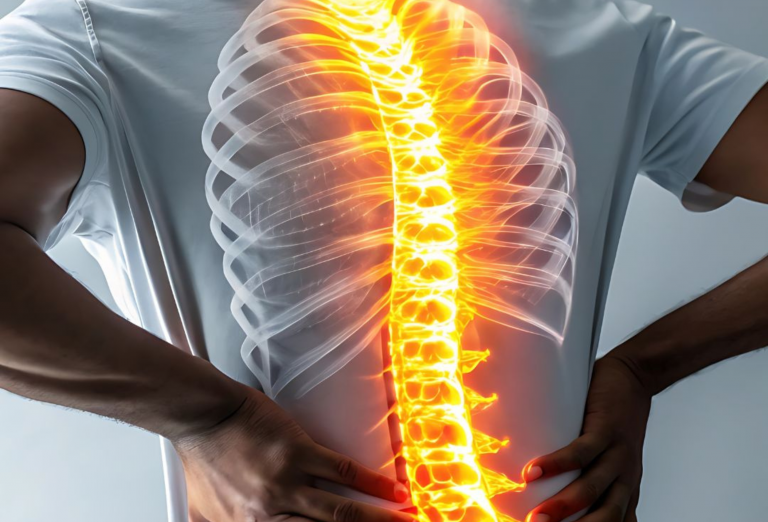
Disc injuries can feel overwhelming, the sharp pain, stiffness, nerve-like symptoms, and constant fear of triggering another flare-up. Whether your discomfort began suddenly from lifting something awkwardly or gradually developed from long hours at a desk, the underlying mechanics almost always involve more than the disc itself.

At our NYC chiropractic clinic, we specialize in Disc Injury Treatment NYC with a root-cause, movement-focused approach. Instead of only treating the symptoms, we assess how your spine, hips, core, breathing patterns, and daily movement habits contribute to disc irritation. This allows us to create a treatment plan that not only relieves pain but also restores long-term spinal health and prevents recurrent flare-ups.

What Exactly Is a Disc Injury?

The discs between your vertebrae are designed to cushion movement and distribute pressure throughout the spine. They contain two key components:

Injury occurs when mechanical stress exceeds the disc’s ability to absorb load, causing irritation, displacement, or structural change.

Most Common Disc Conditions

Bulging Disc

The disc extends outward due to weakened tissue. Bulges often cause stiffness, localized pain, or intermittent nerve irritation during bending or sitting.

Herniated Disc

The inner core breaks through the outer layer, often causing sharper pain and nerve symptoms. Shooting pain, numbness, tingling, or weakness may occur.

Annular Tears

Small tears in the disc’s outer ring trigger sharp pain or inflammation. Pain increases with bending, coughing, sneezing, or twisting.

Degenerative Disc

Age, posture, stress, or injury reduce disc hydration and height. Can cause stiffness, joint irritation, and nerve compression.

Disc injuries vary widely. Two people with identical MRI findings can feel completely different. This is why your assessment is based on movement drivers, not imaging alone.

How Disc Injuries Cause Pain

Disc injuries trigger symptoms in two main ways:

The disc itself contains nerve fibers that can become inflamed. This creates deep, aching pain, stiffness, or difficulty bending and lifting.

A disc bulge or herniation can irritate the nearby spinal nerve root, leading to:

  • Pain shooting down the arm or leg
  • Numbness or tingling
  • Muscle weakness
  • Increased pain with coughing or sitting
  • Difficulty standing upright

This is why many disc injuries are often mistaken for:

  • Sciatica
  • Hip pain
  • Hamstring strain
  • Shoulder or arm pain
  • Piriformis syndrome

Accurate diagnosis is essential—and it comes from assessing your movement patterns, not just relying on MRI findings.

Signs Your Pain May Be Disc-Related

You may be experiencing disc-related pain if:

These patterns guide us toward the safest, most effective treatment immediately.

Why Disc Injuries Happen?

Disc injuries rarely occur “out of the blue.” They arise from a combination of biomechanical, lifestyle, and movement-based stressors.
Common contributing factors include:

Prolonged Sitting & Desk Posture

Sitting with the pelvis tucked under, shoulders rounded, or head forward places significant pressure on lumbar and cervical discs. Over time, the body adapts to these positions, weakening stabilizing muscles and forcing the disc to absorb more load.

Core Under-Recruitment & Poor Spinal Stabilization

Healthy discs rely on deep core muscles, diaphragm coordination, hip mobility, and glute activation for support.
When these systems aren’t functioning together, the disc becomes overloaded during everyday tasks.

Breathing Patterns

A shallow, chest-dominant breath stiffens the rib cage, disrupts core activation, and increases lumbar compression.

This is why breathing mechanics are part of every disc injury plan.

Repetitive Bending or Twisting

Movements repeated without proper spinal alignment, such as lifting, gardening, or even daily household tasks, increase disc strain.

Stress & Muscle Guarding

High stress levels cause increased tone in the neck, back, and hip flexors, creating compression around the discs.


Poor Hip or Thoracic Mobility

When nearby joints stiffen, the lumbar spine becomes the “weak link” and absorbs excessive motion.

Understanding Disc Injuries vs. Sciatica

Many patients with disc injuries experience leg pain, which can be confused with sciatica. However, true sciatica is caused by irritation of the sciatic nerve, while disc-related nerve pain occurs at the spinal nerve root. Your assessment helps determine whether your radiating symptoms come from:
Accurate classification ensures the right treatment and prevents unnecessary flare-ups.
Lower-back pain

How We Treat Disc Injuries

A whole-body, movement-centered approach that goes far beyond temporary relief.

We combine Soft Tissue Therapy NYC, Herniated Disc Chiropractor NYC techniques, and movement rehabilitation focused on long-term disc support.

Myofascial Therapy

Mechanical Diagnosis & Therapy (MDT – McKenzie Method)

MDT is central to how we treat disc injuries. Through repeated movement testing, we identify directional preferences that reduce disc pressure and nerve irritation. Targeted exercises are prescribed to centralize pain, restore disc mechanics, and reduce reliance on passive care, empowering patients with strategies for self-management and long-term recovery.

Service List
Disc-related (Herniations, Bulges, Stenosis)

Dynamic Neuromuscular Stabilization (DNS)

DNS restores deep core and spinal stability using developmental movement patterns. Disc injuries often worsen when the spine lacks proper muscular support. DNS retrains the diaphragm, abdominal wall, and pelvic floor to work together, improving load distribution across the spine and reducing stress on injured discs during daily movement.


Services List
Movement-Based Rehabilitation

Exercise Rehabilitation & Progressive Loading

Once symptoms stabilize, structured exercise rehabilitation rebuilds strength, endurance, and spinal control. Progressive loading helps the spine tolerate real-world demands such as sitting, bending, and lifting. This phase is critical for preventing re-injury and ensuring disc healing translates into functional, pain-free movement.


Services List

Gait & Functional Movement Analysis

Disc injuries are often aggravated by faulty movement patterns. We assess walking, posture, and daily functional tasks to identify compensations that overload the spine. Corrective strategies help normalize movement, reduce repetitive disc stress, and support long-term spinal resilience.


Service List
Cupping therapy

Manual & Myofascial Release Therapy

Myofascial release and soft tissue therapy are used as supportive care to reduce muscle guarding and improve circulation around the injured area. While not the primary treatment for disc injuries, these techniques help create a more receptive environment for active rehabilitation and movement-based recovery.

Service List
Movement-Based Rehabilitation

Chiropractic Adjustments (When Clinically Appropriate)

Specific, low-force adjustments may be used to restore motion to restricted spinal segments surrounding the injured disc. This helps improve joint mechanics and reduce compensatory stress, supporting movement-based rehabilitation rather than replacing it. Adjustments are carefully selected based on presentation and tolerance.

Services List


Who This Service Helps

You may benefit from this approach if you’re experiencing:

Why This Approach Works

Disc injury recovery requires more than reducing pain, it requires retraining how the body shares load. Our method works because it:

This is the foundation of Holistic Chiropractic Care NYC, treating your spine, your movement, your breath, and your nervous system as one integrated unit.

Why Sciatica Happens
Years Experience

0+

Years Experience
Patients Treated

0+

Patients Treated
Mind-Body Connection

0+

Evidence-Based Techniques
icon not found Testimonials

Real Experiences. Real Relief.

icon not found FAQ's

Frequently Asked Questions

Not usually. A movement-based assessment provides more relevant information in most cases. Imaging is recommended only if symptoms are severe or unresponsive.

Adjustments are only done once all relevant testing is completed and after a conservative care approach is used. Chiropractic adjustments can be helpful, but not necessary.

Most patients feel relief within 1–3 sessions, while full correction of patterns requires several weeks.

Yes. With proper movement retraining and postural correction, most disc injuries improve significantly.

Absolutely, daily reinforcement is essential for lasting progress.

Book Your Disc Injury Assessment

Get clarity, relief, and a long-term strategy for disc health with a personalized, root-cause approach.

icon not found Book Your Appointment Now

Get In Touch With Us

Your wellness journey deserves thoughtful, personalized attention.
Share a few details below, and we’ll connect with you to schedule your session.

Email:

hello@drmonishamallik.com

Hours of Operation:

Monday 1 pm - 6 pm
Wednesday 11 am -6 pm
Thursday 2 pm - 6 pm
Tuesdays by request

    Make An Appointment

    Learn how we use and protect your data in our Privacy Policy.