
Hip Pain Isn’t Always the Hip: A Chiropractor in NYC Explains Pelvic Imbalances
Movement-Based Hip Pain Treatment in Chelsea with Dr. Mallik
Hip pain can be incredibly frustrating, especially when it appears without a clear injury. You might notice discomfort when walking through the city, stiffness after sitting at your desk all day, or a persistent ache that lingers even after stretching. Many people assume the problem must be inside the hip joint itself.
But in my Chelsea chiropractic practice, that assumption is often where the story begins, not where it ends.
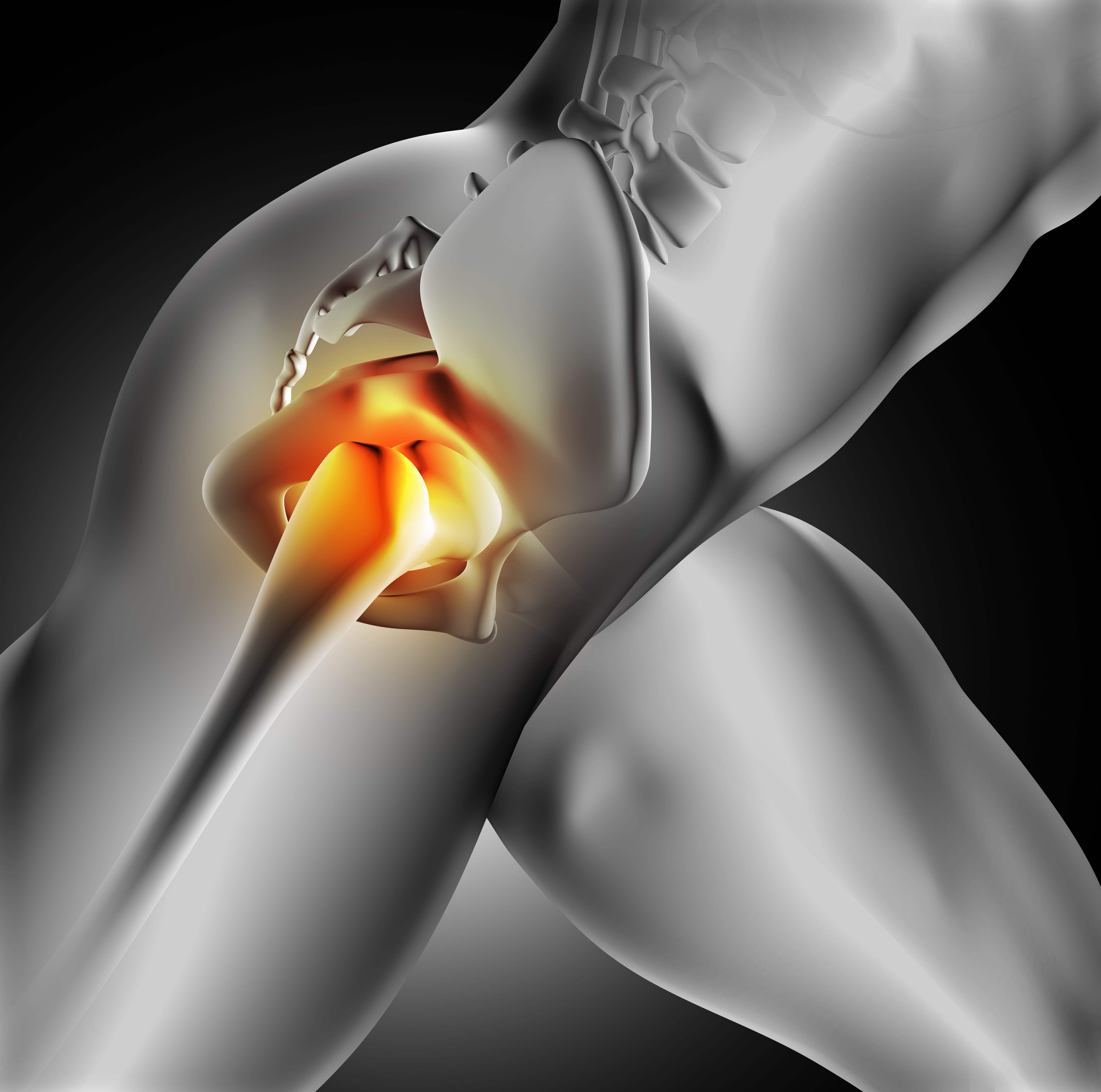
One of the most common things I explain to patients seeking hip pain treatment in NYC is that hip pain is frequently not coming from the hip itself. Instead, it often stems from imbalances in the pelvis, the spine, or the way the body distributes weight during everyday movement. When the pelvis loses its natural alignment, the hip joint becomes the structure that absorbs the consequences.
Understanding that relationship is the first step toward real hip pain relief.
Why Hip Pain in NYC Professionals Is So Common
Living in New York City creates a unique set of movement challenges. Many people spend hours sitting at a desk, commuting on trains, walking long distances on hard pavement, or carrying bags on one side of the body. Over time, these habits can quietly shift the way the pelvis and hips work together.
What begins as mild stiffness can slowly evolve into chronic discomfort. A hip that once felt strong and stable may start to feel tight when walking or unstable during exercise. This is often when people begin searching for a hip pain chiropractor in NYC or wondering why their hip pain won’t go away despite stretching or rest.
In many cases, the root cause is pelvic imbalance.
What Is a Pelvic Imbalance?
The pelvis acts as the central foundation of the body. When the pelvis becomes slightly tilted, rotated, or uneven, a condition often referred to as pelvic misalignment, it changes the way the hips move within their sockets. This altered movement pattern can overload certain muscles and joints while leaving others underactive.
A pelvic imbalance does not necessarily mean the bones are “out of place and mild asymmetries are actually normal .” Hip discrepancies become a problem when movement patterns become chronic and are not addressed in time. Mean, the body builds a pattern of muscle tension, weakness, and compensation that subtly shifts the entire body’s mechanics over time.
In my clinical experience as a chiropractor for pelvic imbalance in NYC, this pattern is far more common than most people realize.
Common Hip Pain Causes I See in My NYC Practice
While every patient’s story is unique, several patterns appear frequently in people seeking chiropractic care for hip pain.
Pelvic imbalance causing hip pain is one of the most common findings. Forward head posture and prolonged sitting can tilt the pelvis forward, increasing pressure on the front of the hip joint. Chronic stress and shallow breathing can tighten the hip flexors, which attach directly to the pelvis and spine. Old injuries, ankle instability, or even foot mechanics can alter how the body loads the hips.
Another common factor is asymmetrical movement. Carrying a bag on one shoulder, favoring one leg while standing, or consistently crossing the same leg when sitting can gradually influence pelvic alignment.
None of these habits seem significant on their own. But over months or years, they can quietly reshape how the body moves.
How Pelvic Alignment Affects Hip Pain
The hip joint is designed to move freely in multiple directions. When pelvic alignment shifts, that freedom becomes restricted.
A tilted pelvis can reduce hip rotation, increase joint compression, and force surrounding muscles to work harder than they should. Over time, the body adapts by tightening certain muscles while weakening others. This imbalance often leads to chronic hip pain that feels stubborn and difficult to resolve.
When patients come in for chronic hip pain chiropractic care, my goal is not just to quiet the pain but to understand why the body adopted that pattern in the first place.
Why Stretching Alone Often Doesn’t Work
Many people attempt to manage hip pain with stretching routines they find online. While stretching can feel helpful in the short term, it rarely addresses the deeper problem if the pelvis remains imbalanced.
In fact, stretching a joint that lacks stability can sometimes worsen discomfort. If the hip muscles are already compensating for pelvic instability, stretching them aggressively may simply reinforce the imbalance.
This is why effective hip pain treatment requires more than flexibility work. It requires restoring balance between mobility and stability throughout the entire movement system.
Chiropractic Care for Hip Pain in NYC
Modern chiropractic care takes a whole-body approach to hip pain relief. In my Chelsea practice, the first step is always a comprehensive movement assessment.
Rather than focusing only on the hip joint, I examine how the pelvis, spine, rib cage, and lower extremities interact. I look at gait, breathing mechanics, joint mobility, and muscle coordination to understand how the body distributes load.
From there, treatment may include a combination of chiropractic adjustments, myofascial work such as Active Release Technique, and movement-based rehabilitation such as Dynamic Neuromuscular Stabilization. Additionally, I use Neurokinetic Therapy, to help identify and correct the underlying muscle imbalances contributing to pelvic misalignment.
The goal is not simply to “realign” the pelvis but to retrain the body so it can maintain that balance naturally and build resilience.
Movement-Based Treatment for Hip Pain
One of the most important parts of recovery is helping patients develop better movement habits outside the treatment room.
Movement-based treatment for hip pain focuses on strengthening the muscles that stabilize the pelvis while improving coordination between the diaphragm, core, and hips. When these systems work together, the body distributes force more evenly and the hips no longer need to compensate.
Patients often notice improvements not only in hip pain but also in posture, walking efficiency, and overall stability.
Hip Pain Treatment in Chelsea NYC with Dr. Mallik
You do not have to accept persistent hip discomfort as a normal part of living in New York City. If you are experiencing hip pain when walking, sitting, or exercising, or if your hip pain simply won’t go away, it may be time to look beyond the hip itself.
As a chiropractor in NYC specializing in movement health and pelvic balance, I help patients uncover the root cause of their pain and rebuild a more resilient movement system.
Start Your Journey
Book a 60-minute consultation in Chelsea, NYC for a comprehensive assessment of your posture, pelvic alignment, joint mobility, breathing patterns, and muscle coordination.
Not sure if chiropractic care is the right fit?
Schedule a Free Discovery Call to learn more about how we approach hip pain treatment.
Call: 917-300-9702
Email: hello@drmonishamallik.com
Further Reading: Personalized Movement Health Plans
Yours in Health,
Dr. Mallik, D.C.